book review · Brave New World
Brave New World
2025-12-07 · 3 min read
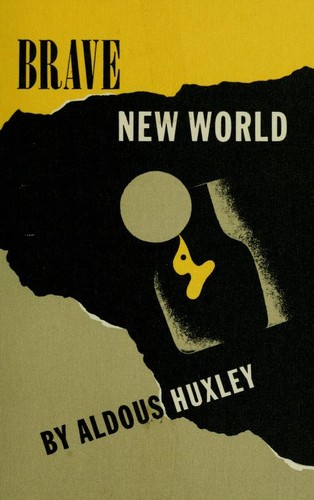
What makes this one stick with me more than most dystopias is that Huxley’s World State isn’t lying to its citizens the way a propaganda state usually is. Community, Identity, Stability really is the motto, and the world really is stable, people really are happy, they get what they want and they’ve been engineered from the embryo stage not to want what they can’t get. There’s no hidden gulag the book’s waiting to reveal. The horror is entirely in the premise working exactly as advertised.
I think that’s why the last stretch of the book is the part that actually lands, once John the Savage collides with the World State directly and the argument between Mustapha Mond and him about science, religion, and whether suffering has any value gets laid out plainly. Earlier chapters, the conditioning centers, the soma, the orgy-porgy rituals, are doing important groundwork, but it’s genuinely the final conversation where the book earns its reputation, and I’d push back a little on the readers who find the middle stretch a slog, it’s building toward something specific rather than wandering.
Compared to 1984, which gets brought up in the same breath constantly, I think Brave New World has the harder argument to make and mostly succeeds at it. A jackboot stamping on a human face forever is an easy horror to recognize. A society that’s engineered your desires so thoroughly that you’re incapable of wanting freedom in the first place is a much stranger, slipperier thing to dramatize, and Huxley gets uncomfortably close to actually pulling it off.